Explore Montana on Horseback: Trails & Ranch Rides
There’s something profoundly transformative about experiencing Montana from the back of a horse. The rhythmic cadence of hoofbeats, the creak of leather, the warmth of your mount beneath you, and the vast expanse of wilderness stretching to distant horizons—horseback riding at The Ranches at Belt Creek connects you to the landscape in a way no vehicle ever could. Whether you’re a seasoned equestrian or have never sat in a saddle, the ranch’s horseback experiences offer authentic encounters with the American West, where the partnership between human and horse has shaped this land for generations.
The Spirit of the West: Why Riding Is Core to Ranch Life
Horseback riding isn’t just an activity at Belt Creek—it’s woven into the very fabric of Montana ranch culture and identity. Understanding this heritage enriches every ride and connects you to traditions that have endured for over a century.
Historical Foundations
The relationship between Montana ranching and horses runs deeper than practicality; it’s cultural and almost spiritual. Long before modern vehicles crossed these lands, horses were the indispensable partners that made Western expansion, homesteading, and cattle ranching possible. They carried pioneers over mountain passes, helped establish trade routes, and enabled ranchers to work vast acreages that would have been impossible to manage on foot.
The cowboy tradition that emerged in the late 1800s was fundamentally a horseback culture. Skills passed down through generations—roping, cutting cattle, reading the land from horseback, understanding horse behavior and training—created a knowledge base that remains relevant today. At Belt Creek, you’re not experiencing a recreated or artificial version of this heritage; you’re participating in living traditions maintained by people for whom horsemanship remains both practical skill and way of life.
Working Horses, Working Ranch
The horses at The Ranches at Belt Creek aren’t just recreational animals—many are genuine working ranch horses that participate in actual cattle operations, fence maintenance, and land management activities. This working background creates horses with calm temperaments, sure-footedness, and the kind of steady reliability that only comes from real work experience.
When you ride at Belt Creek, you’re sitting atop an animal that might have spent the previous week moving cattle, checking water sources in remote pastures, or carrying supplies to line camps. This authentic ranch purpose means the horses are well-conditioned, trail-savvy, and accustomed to Montana’s varied terrain and weather conditions. They’re not arena horses learning trail skills; they’re Montana ranch horses doing what they’ve been bred and trained for generations to do.
The Horse-Human Partnership
What makes horseback riding so compelling is the relationship it creates between rider and horse. Unlike mechanical transportation, riding requires communication, trust, and mutual understanding. Your horse reads your cues—subtle shifts in weight, rein pressure, leg contact—and responds accordingly. You, in turn, learn to interpret your horse’s body language, anticipate their reactions, and work together as a team.
This partnership becomes particularly meaningful in wilderness settings. Your horse’s instincts for safe footing, awareness of wildlife, and ability to navigate difficult terrain complement your human judgment and decision-making. Many riders describe a meditative quality to trail riding—once you’ve established connection with your horse, you can relax into the experience, trusting your mount while you absorb the beauty around you.
Connection to the Land
Horses experience terrain in ways humans cannot replicate. They read subtle changes in footing, sense water sources before you see them, and alert to wildlife presence you might miss. Riding allows access to remote areas while treading lightly—horses have minimal environmental impact compared to vehicles, and their presence actually feels appropriate in wilderness settings.
From horseback, your perspective shifts. You’re elevated above ground level but moving at a natural pace that allows observation and appreciation. The world slows down. You notice details—wildflowers, bird calls, the play of light through aspen groves—that would blur past at vehicle speed. This is how ranchers have experienced this land for over a century, and it remains the most authentic way to understand Montana’s ranch country.
Modern Stewardship
Belt Creek’s equestrian program reflects both respect for tradition and commitment to modern horse welfare standards. The horses receive excellent veterinary care, appropriate nutrition, and humane training methods. They work manageable schedules with adequate rest, and their well-being is always prioritized over operational convenience.
This approach aligns with evolving understanding of equine psychology and welfare while maintaining the authentic working ranch culture. The result is horses that are healthy, content, and eager partners in the riding experiences they provide. When you interact with Belt Creek’s horses, you’re meeting animals that are genuinely well cared for—you can see it in their condition, behavior, and responsiveness.
Trail Options: Scenic, River, and Mountain Rides
The Ranches at Belt Creek offers diverse riding experiences that showcase different aspects of Montana’s remarkable landscapes. Each trail type provides unique perspectives and caters to different interests and skill levels.
Scenic Valley Rides
The scenic valley rides are perfect introductions to Montana horseback experiences, suitable for beginners and families while still captivating experienced riders. These routes wind through the ranch’s lower elevations, following gentle terrain with expansive views of surrounding mountains and the Belt Creek valley.
Typical scenic rides last one to two hours, providing enough time to settle into your saddle, establish rapport with your horse, and fully absorb the environment without physical fatigue. You’ll pass through varied ecosystems—native grasslands where cattle graze, stands of cottonwood trees that mark ancient creek courses, and open meadows that explode with wildflowers during summer months.
Wildlife encounters are common on scenic rides. White-tailed and mule deer often browse near tree lines during early morning and evening rides. Hawks wheel overhead, hunting for small mammals, while ground squirrels chirp warnings from burrow entrances. Your wranglers point out animal tracks, scat, and other signs that reveal the area’s diverse wildlife even when animals themselves remain hidden.
The pace on scenic rides is relaxed—mostly walking with occasional jogs for riders comfortable with faster gaits. This allows conversation with wranglers who share ranch history, point out notable landmarks, and answer questions about Montana ranching, wildlife, and the land’s natural history. These rides emphasize enjoyment and connection rather than covering maximum distance.
River Trail Rides
Belt Creek’s river trails follow the waterway that gives the ranch its name, providing intimate encounters with riparian ecosystems and the soothing presence of flowing water. These rides appeal to those who love water features and appreciate the richer wildlife concentrations that creeksides support.
The river trails wind through cottonwood galleries and willow thickets that provide crucial habitat for songbirds. During spring and summer, the air fills with bird calls—yellow warblers, western tanagers, black-capped chickadees, and numerous other species thrive in these productive habitats. Your wranglers help identify calls and may spot nests or fledglings that add educational dimensions to the experience.
Riding alongside Belt Creek offers cooling relief during warm weather—temperatures near the water run several degrees cooler than open grasslands, and the sound of flowing water creates peaceful ambiance. Several sections feature opportunities to let horses drink from the creek, a favorite moment for many riders as you pause mid-ride, watching your mount lower their head to the clear water while you absorb the tranquil setting.
River rides also provide excellent chances to observe aquatic wildlife. Great blue herons stalk shallow riffles, fishing for small trout and aquatic insects. Beavers maintain lodges and dams along certain sections, their engineering evident in gnawed stumps and impounded water. Osprey nest near the creek during summer, and lucky riders might witness their spectacular fishing dives.
These trails sometimes involve creek crossings—thrilling moments where you trust your horse to navigate flowing water and slippery rocks. Experienced horses handle crossings confidently, providing riders with memorable adventure without actual danger. For many, especially children, creek crossings become highlight memories of their Belt Creek experience.
Mountain Rides
For more adventurous riders with solid horsemanship skills, Belt Creek’s mountain rides venture into higher elevations where panoramic vistas and rugged terrain create truly spectacular experiences. These half-day or full-day excursions require greater commitment but reward riders with unforgettable Montana wilderness immersion.
Mountain rides typically begin with steady climbs through transitional zones where grasslands give way to scattered timber. As elevation increases, you enter montane forests of ponderosa pine, Douglas fir, and aspen. The temperature drops noticeably, and the vegetation changes from prairie species to mountain wildflowers, wild berries, and dense understory plants.
Higher elevations reveal sweeping views that can extend for dozens of miles on clear days. You can identify distant landmarks—other mountain ranges, river valleys, and the characteristic topography that defines central Montana. These vantage points provide perspective on just how vast and unpopulated this region remains, even in the 21st century.
Mountain rides encounter more challenging terrain—rocky sections, steeper grades, narrow paths with exposure, and potentially weather changes that can include afternoon thunderstorms during summer. This is where your horse’s training and experience become particularly valuable. Montana ranch horses are mountain-smart, accustomed to difficult footing and steep country. They pick their way carefully, and riders learn to trust their mounts’ judgment in terrain that might seem intimidating from the saddle.
Longer mountain rides often include lunch breaks at scenic overlooks or near mountain streams. These pauses allow horses to rest and graze while riders enjoy picnic lunches and simply absorb the profound quiet of mountain wilderness. The absence of mechanical sounds—no vehicles, no aircraft, just wind, bird calls, and perhaps the rustle of elk moving through distant timber—provides rare escape from modern civilization’s constant background noise.
Wildlife diversity increases at higher elevations. Elk summer in mountain meadows, and you might encounter herds or at least find fresh tracks and evidence of their presence. Black bears inhabit forested areas, though sightings are uncommon as bears generally avoid horses and humans. Mountain wildflower displays during July and August rival any botanical garden, with lupine, Indian paintbrush, balsamroot, and countless other species creating natural tapestries of color.
Private Lessons for Beginners & Families
The Ranches at Belt Creek recognizes that exceptional horseback experiences begin with proper instruction and confidence-building. The ranch’s private lesson program provides personalized attention that accelerates learning and ensures every rider—from nervous first-timers to families with mixed experience levels—enjoys safe, successful experiences.
Beginner-Focused Instruction
Starting your horseback journey with professional instruction rather than just "figuring it out" on trail rides dramatically improves both safety and enjoyment. Belt Creek’s instructors begin with fundamentals: approaching horses correctly, basic equine body language, grooming basics, and proper mounting and dismounting techniques.
Before you leave the immediate ranch area, you’ll learn essential riding mechanics including proper seated position, how to hold reins effectively, leg position and contact, and basic cues for walk, stop, and turning. Instructors work in corral settings where you can focus on technique without the distraction of trail riding, building muscle memory for correct form.
The teaching approach emphasizes understanding why certain techniques work rather than just memorizing rules. When you understand that heels-down position creates stability and security in the saddle, or that consistent rein contact helps your horse understand what you’re asking, the instructions make intuitive sense rather than feeling arbitrary. This comprehension accelerates learning and helps riders troubleshoot their own issues.
Instructors excel at identifying and addressing individual concerns. Nervous riders receive extra reassurance and start with the calmest, most forgiving horses. Those with previous bad experiences get patient explanations that rebuild confidence. Riders with natural aptitude are challenged appropriately, keeping lessons engaging without overwhelming them with advanced concepts too soon.
Family Learning Experiences
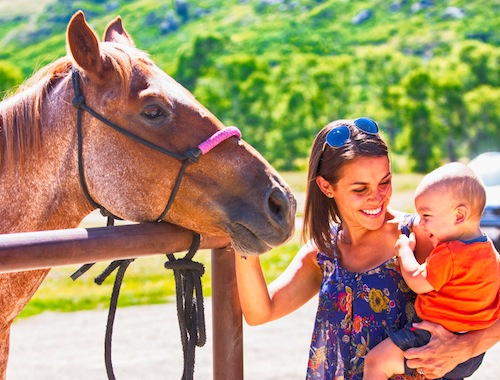
Family lessons at Belt Creek create shared experiences that strengthen bonds while introducing horsemanship skills to multiple generations simultaneously. Instructors manage age differences and varying abilities skillfully, ensuring everyone receives appropriate attention and challenge.
Parents and children often learn together, with instructors providing age-appropriate explanations for younger participants while offering more detailed information to adults. This parallel learning creates opportunities for families to help each other, reinforcing lessons and building teamwork. Children often delight in demonstrating skills to parents, while parents appreciate sharing their children’s accomplishments in real time.
For families with very young children (typically ages 5-7), Belt Creek offers leadline experiences where children ride gentle horses led by adults. This allows young riders to experience horseback riding safely before they’re developmentally ready for independent control. The excitement on a child’s face during their first horse ride creates treasured family memories and often sparks lifelong passion for horses and riding.
Instructors incorporate games and activities that make learning fun for children while still building legitimate skills. Simple exercises like reaching down to touch the horse’s shoulder or playing "red light, green light" at walking pace teach balance, coordination, and control through play rather than dry repetition. These approaches keep children engaged and eager to continue learning.
Skill Progression
Belt Creek’s lesson program supports progression from absolute beginner through intermediate skills, with advanced riders receiving guidance on techniques specific to Montana ranch riding. After mastering basic walk, stop, and turn, you’ll learn trotting fundamentals, including posting (rising and sitting with the horse’s rhythm) and sitting trot for Western riders.
As comfort and competence increase, lessons incorporate more challenging elements: maintaining pace and direction with lighter rein contact, leg cues for more precise control, backing up, side-passing, and eventually cantering or loping for those ready for faster gaits. Instructors assess readiness carefully, never pushing riders beyond their comfort zones but offering appropriate challenges when you’re ready.
Trail riding applications are integrated throughout the learning process. You’ll practice skills specifically useful on trails—navigating obstacles like downed logs, maintaining proper spacing in group rides, managing your horse near exciting distractions, and developing the relaxed confidence that makes trail riding truly enjoyable.
Custom Scheduling
Private lessons accommodate your schedule and vacation timeline. Half-hour sessions work well for young children or complete beginners, while hour-long lessons provide time for more comprehensive instruction. Some families schedule daily lessons throughout their stay, building skills progressively, while others take one or two lessons to establish basics before trail rides.
Instructors can also accompany families on trail rides as educators rather than just guides, offering ongoing coaching in real trail situations. This hybrid approach—combining corral instruction with trail practice—accelerates learning because you immediately apply skills in authentic settings with immediate feedback and support.
Safety, Gear, and What to Expect
The Ranches at Belt Creek maintains rigorous safety standards while ensuring horseback experiences remain enjoyable and accessible. Understanding what to expect helps you prepare appropriately and approach your ride with confidence rather than anxiety.
Safety Protocols
Safety begins with well-trained horses and experienced wranglers. Belt Creek’s horses are carefully selected for temperament, training, and suitability for guest riding. They’ve carried hundreds of riders and respond calmly to the unexpected occurrences inevitable with guests of varying experience levels.
Before mounting, wranglers assess each rider’s experience and match them with appropriate horses. Nervous or inexperienced riders receive the calmest, most forgiving mounts. Riders with more experience might be paired with horses that offer slightly more spirit without being unpredictable. This matching process is crucial—the right horse makes all the difference in rider confidence and enjoyment.
Comprehensive safety briefings precede every ride. You’ll learn how to mount and dismount safely, how your particular horse responds to cues, what to do if your horse stops to graze or drink, and how to maintain safe spacing from other riders. Wranglers explain common horse behaviors so you’re not startled if your horse snorts, shakes, or reacts to novel stimuli.
Group rides maintain manageable sizes, typically six to ten riders per wrangler, ensuring adequate supervision and assistance. Lead wranglers set appropriate paces and choose routes matching the group’s abilities. Sweep riders (those at the back) ensure no one falls behind or encounters difficulties without immediate help.
Emergency procedures are established and practiced. Wranglers carry first aid supplies and communication devices. They’re trained in wilderness first aid and horse-related injury response. The ranch maintains emergency contacts with local medical facilities and has established evacuation procedures should serious injuries occur—though such incidents are extremely rare.
Required and Recommended Gear
Belt Creek provides essential riding equipment including saddles, bridles, reins, and saddle pads. The ranch maintains high-quality Western saddles appropriate for trail riding—comfortable for multi-hour rides and featuring secure, deep seats that help riders feel stable.
Helmets are available and strongly recommended, especially for children and inexperienced riders. While Western riding tradition doesn’t emphasize helmet use the way English disciplines do, modern safety awareness recognizes that head injuries are serious risks regardless of riding style. Belt Creek balances respect for Western tradition with contemporary safety standards, providing helmets while allowing experienced adult riders to make informed choices.
Proper footwear is essential. Boots with heels (even low heels of one inch) prevent feet from sliding through stirrups—a critical safety feature. The heel catches on the stirrup in case of a fall, allowing your foot to come free rather than getting trapped and dragging you. Hiking boots with defined heels work adequately, though riding boots are ideal. Never ride in sneakers, sandals, or slip-on shoes.
Long pants protect legs from saddle chafing and provide some protection from brush and branches on trails. Jeans work perfectly. Avoid shorts entirely—even short rides can cause significant inner thigh chafing without long pants. During summer, lightweight long pants in breathable fabrics offer comfort without overheating.
Layer clothing for Montana’s variable weather. Mornings often start cool even in summer, then warm considerably by midday. A light jacket you can tie to your saddle works well. Avoid loose garments that flap in wind—they can startle horses. Baseball caps or cowboy hats protect from sun, but ensure they fit securely (a chin strap helps on windy days, as losing hats can spook horses).
Sunscreen and sunglasses are essential—Montana’s high-altitude sun is intense, and you’ll be exposed for extended periods. Bring a water bottle; most saddles have places to secure bottles, or you can carry small backpacks. Avoid bringing excessive gear that might fall off or snag on vegetation.
Physical Requirements and Limitations
Horseback riding is accessible to many people but does have physical requirements. You must be able to mount (usually with a mounting block or assistance) and maintain seated balance while the horse moves. Core strength and flexibility help, though they develop with riding experience.
Weight limits exist for horse welfare reasons. Belt Creek can typically accommodate riders up to 250 pounds, though this varies by individual horse size and fitness. The ranch will discuss weight considerations honestly but sensitively, sometimes suggesting longer lesson sessions instead of extended trail rides, or pairing heavier riders with larger, stronger horses.
Certain medical conditions may preclude horseback riding or require medical clearance. Recent back or neck injuries, pregnancy (especially beyond first trimester), severe balance disorders, or conditions causing unpredictable loss of consciousness need careful consideration and often medical consultation before riding. The ranch’s reservation staff can discuss specific concerns and help determine appropriate activities.
Age minimums typically start around age 7 for trail rides, though this depends on individual maturity, size, and coordination. Younger children can often participate in leadline rides or very short trail experiences. No upper age limit exists—active seniors in their 70s and 80s regularly enjoy Belt Creek’s riding program, often having ridden throughout their lives.
What Your First Ride Will Feel Like
First-time riders often have concerns about what to expect. Initially, sitting atop a horse feels higher than anticipated—you’re six feet or more off the ground, and the horse’s movements beneath you create sensations unfamiliar to most modern people. The first few minutes might feel unstable until you settle into the rhythm and develop "seat" (your balanced connection to the saddle).
Muscles you didn’t know existed will make themselves known, especially inner thighs, core, and sometimes lower back. This is normal and decreases with experience as you develop riding-specific muscle strength and learn to move with the horse rather than against them. Post-ride soreness is common after first experiences—it’s not injury, just muscle groups adapting to new demands.
Your horse’s personality will become apparent quickly. Some horses are calm and steady, methodically following the trail. Others have more personality—looking around frequently, wanting to lead the group, or being slightly more responsive to your cues. This individuality is part of the charm; you’re interacting with a living partner, not operating machinery.
The first few rides focus on simply staying balanced and comfortable while your horse follows the horse in front. This is appropriate—you’re learning basic seat and balance before worrying about steering. As comfort increases, you’ll take more active control, and riding becomes increasingly interactive rather than passive.
Most first-time riders are surprised by how peaceful and meditative trail riding becomes once you relax. The rhythmic movement, beautiful surroundings, and lack of mechanical noise create surprisingly contemplative experiences. Many people find horseback riding genuinely relaxing once they overcome initial nervousness.
Riding Events & Group Experiences
Beyond individual and family rides, The Ranches at Belt Creek hosts special riding events and group experiences that create community connections and memorable shared adventures.
Sunset and Sunrise Rides
Some of Belt Creek’s most magical riding experiences occur during the golden hours when sunlight transforms Montana landscapes into something almost otherworldly. Sunset rides typically depart in early evening, timing routes to position riders at scenic overlooks as the sun approaches the horizon.
Montana’s big sky country delivers spectacular sunsets—vast expanses of sky allow sunset colors to dominate the visual field rather than being obscured by trees or buildings. Clouds catch and reflect light, creating shows that range from subtle pastels to dramatic oranges and reds. Experiencing these displays from horseback, perhaps on a ridge with panoramic views, creates profound moments that stay with you long after returning home.
Sunrise rides offer different rewards. The world is quiet at dawn, wildlife is active, and the quality of light is soft and pristine. Deer emerge from bedding areas to feed, birds sing territorial claims, and the air carries the fresh coolness of morning. There’s something special about being mounted and riding while much of the world still sleeps, feeling connected to earlier eras when people rose with the sun and began work on horseback.
Both sunset and sunrise rides typically run shorter than midday trail rides—the focus is on the experience and views rather than covering extensive distances. Often these rides conclude with refreshments: coffee and pastries after sunrise rides, or perhaps wine and appetizers during sunset outings, creating social experiences alongside the riding component.
Group Trail Rides and Corporate Events
Belt Creek accommodates larger groups for special occasions, corporate retreats, family reunions, or friend gatherings. These events can combine riding with other ranch activities, meals, and programs customized to group interests and abilities.
Corporate groups often find horseback experiences valuable team-building activities. Riding requires trust, communication, and sometimes cooperation (like helping others mount or managing gates on trails). The non-competitive nature—everyone succeeds by simply participating and enjoying the experience—creates positive group dynamics. Plus, the ranch setting removes people from usual work environments, facilitating different kinds of interactions and conversations.
Family reunions find horseback riding bridges age gaps—grandparents, parents, and grandchildren can all participate in ways matching their abilities and comfort levels. Shared experiences create reunion memories more meaningful than simply gathering at a restaurant or hotel. Multi-generational trail rides produce stories retold for years afterward.
Special interest groups—photographers, naturalists, birders—can arrange rides tailored to their particular interests. Photography rides move slowly and pause frequently for shooting opportunities. Natural history rides emphasize interpretation of geology, ecology, and wildlife biology. The flexibility to customize experiences makes Belt Creek appealing for groups with specific interests.
Seasonal Events
Throughout the year, Belt Creek may host seasonal riding events that celebrate ranch traditions and Montana’s changing seasons. Spring rides might coincide with calving season, allowing riders to see new baby calves in pastures. Summer events could include longer rides to mountain meadows at peak wildflower displays.
Fall offers spectacular riding conditions with comfortable temperatures, autumn foliage, and actively feeding wildlife preparing for winter. Some ranches host harvest rides or cattle drives where guests participate in actual ranch work—moving cattle between pastures, for instance. These authentic working experiences give guests genuine glimpses into ranch life beyond recreational activities.
Winter riding is possible during milder periods, offering entirely different perspectives on familiar landscapes. Snow-covered terrain, bare trees revealing longer views, and the stark beauty of Montana winter create memorable experiences for those willing to brave cold temperatures. Proper cold-weather gear is essential, but winter rides attract people seeking solitude and the unique aesthetics of winter wilderness.
Educational Clinics and Workshops
For guests interested in deepening their horsemanship knowledge, Belt Creek occasionally offers clinics and workshops covering various topics: natural horsemanship principles, trail riding skills, basic horse care and handling, or Montana-specific aspects of ranch horsemanship.
These educational events appeal to horse owners who ride elsewhere but want to learn from Montana ranch professionals, as well as to guests who’ve discovered passion for riding during Belt Creek visits and want to pursue it further. Clinics combine theory with hands-on practice, providing knowledge guests can apply wherever they ride.
Frequently Asked Questions
Are helmets and safety gear provided?
Yes, The Ranches at Belt Creek provides helmets for all riders who wish to wear them, and helmet use is strongly encouraged, particularly for children and riders with limited experience. The ranch maintains a variety of helmet sizes to ensure proper fit, which is crucial for helmet effectiveness. While Western riding culture traditionally hasn’t emphasized helmet use the way English riding disciplines do, modern safety awareness recognizes that head injuries can occur regardless of riding style, and helmets significantly reduce risk of serious injury. The ranch respects both traditional Western aesthetics and contemporary safety standards, making helmets available while allowing experienced adult riders to make informed personal choices. In addition to helmets, the ranch provides all necessary riding tack including well-maintained saddles, bridles, and other equipment. Riders should bring their own appropriate footwear (boots with heels) and clothing (long pants), though the ranch can often accommodate guests who arrive unprepared with loaner gear. Safety briefings before every ride cover mounting and dismounting procedures, basic horse behavior, emergency protocols, and trail-specific considerations, ensuring all riders understand how to participate safely regardless of their experience level.
Can children ride horses at Belt Creek?
Absolutely! The Ranches at Belt Creek welcomes young riders and specializes in creating positive first horseback experiences for children. Generally, children as young as 7 years old can participate in standard trail rides, though this depends on individual maturity, size, attention span, and comfort level with horses. For younger children (typically ages 5-7), the ranch offers leadline experiences where children ride gentle horses led by adults, allowing them to experience riding safely before they’re ready for independent control. Very young children (ages 3-5) can sometimes participate in very short, supervised rides around the immediate ranch area. The ranch’s experienced wranglers excel at working with children, making learning fun through games and activities while building legitimate riding skills. Horses are carefully selected for children based on temperament—the calmest, most forgiving animals that respond gently to inexperienced cues. Family rides accommodate mixed age groups, with wranglers skillfully managing different ability levels so everyone enjoys the experience together. Parents ride alongside children, providing reassurance and sharing the adventure. Many families find that horseback riding becomes a highlight of their Belt Creek visit, creating lasting memories and often sparking children’s lifelong passion for horses and the outdoors. The ranch can discuss age-appropriate options during booking to ensure the best experience for your family’s specific situation.
What’s the best season for horseback riding?
Every season offers excellent horseback riding at Belt Creek, each with unique characteristics and advantages. Summer (June through August) is the most popular season, featuring warm weather, long daylight hours, and lush green landscapes with wildflowers. Trails are fully accessible, and comfortable temperatures make extended rides pleasant. However, summer also brings more visitors, so booking in advance is advisable. Spring (April-May) provides cooler temperatures ideal for active riding, with the landscape awakening from winter dormancy. Wildflowers begin blooming, baby animals are abundant, and wildlife is particularly active. Some higher elevation trails may still have snow, but valley and river rides are typically accessible. Fall (September-October) is arguably the finest season for riding—comfortable temperatures, spectacular autumn foliage (especially aspen groves turning gold), fewer insects, and actively feeding wildlife preparing for winter. The light during fall is exceptional for photography, and the landscape’s muted golds and browns create classic Western aesthetics. Winter (November-March) offers riding during milder periods for those seeking solitude and stark beauty. Snow-covered landscapes, crisp air, and the intimate quiet of winter wilderness attract hardy riders. Proper cold-weather gear is essential, but winter rides provide completely different perspectives on familiar terrain. Ultimately, the "best" season depends on your preferences: summer for classic warm-weather ranch experiences, spring for baby animals and renewal, fall for weather and scenery, or winter for solitude and unique beauty. The ranch operates year-round and can advise on seasonal considerations when planning your visit.
Schema Markup (JSON-LD)
{
  "@context": "https://schema.org",
  "@graph": [
    {
      "@type": "SportsActivityLocation",
      "name": "Horseback Riding at The Ranches at Belt Creek",
      "description": "Authentic Montana horseback riding experiences featuring scenic valley rides, river trails, mountain adventures, and private riding lessons for all skill levels",
      "url": "https://yourwebsite.com/horseback-riding-belt-creek",
      "address": {
        "@type": "PostalAddress",
        "addressRegion": "MT",
        "addressCountry": "US"
      },
      "geo": {
        "@type": "GeoCoordinates",
        "addressCountry": "US"
      },
      "sport": "Horseback Riding",
      "amenityFeature": [
        {
          "@type": "LocationFeatureSpecification",
          "name": "Guided Trail Rides",
          "value": true
        },
        {
          "@type": "LocationFeatureSpecification",
          "name": "Private Riding Lessons",
          "value": true
        },
        {
          "@type": "LocationFeatureSpecification",
          "name": "Family-Friendly Experiences",
          "value": true
        },
        {
          "@type": "LocationFeatureSpecification",
          "name": "Beginner to Advanced Riders Welcome",
          "value": true
        },
        {
          "@type": "LocationFeatureSpecification",
          "name": "Safety Equipment Provided",
          "value": true
        },
        {
          "@type": "LocationFeatureSpecification",
          "name": "Multiple Trail Options",
          "value": true
        }
      ]
    },
    {
      "@type": "FAQPage",
      "mainEntity": [
        {
          "@type": "Question",
          "name": "Are helmets and safety gear provided?",
          "acceptedAnswer": {
            "@type": "Answer",
            "text": "Yes, The Ranches at Belt Creek provides helmets for all riders who wish to wear them, and helmet use is strongly encouraged, particularly for children and riders with limited experience. The ranch maintains a variety of helmet sizes to ensure proper fit. While Western riding culture traditionally hasn't emphasized helmet use, modern safety awareness recognizes that helmets significantly reduce risk of serious injury. The ranch provides all necessary riding tack including well-maintained saddles, bridles, and other equipment. Safety briefings before every ride cover mounting and dismounting procedures, basic horse behavior, emergency protocols, and trail-specific considerations."
          }
        },
        {
          "@type": "Question",
          "name": "Can children ride horses at Belt Creek?",
          "acceptedAnswer": {
            "@type": "Answer",
            "text": "Absolutely! The Ranches at Belt Creek welcomes young riders and specializes in creating positive first horseback experiences for children. Generally, children as young as 7 years old can participate in standard trail rides. For younger children (typically ages 5-7), the ranch offers leadline experiences where children ride gentle horses led by adults. The ranch's experienced wranglers excel at working with children, making learning fun while building legitimate riding skills. Horses are carefully selected for children based on temperament—the calmest, most forgiving animals. Family rides accommodate mixed age groups, with wranglers skillfully managing different ability levels."
          }
        },
        {
          "@type": "Question",
          "name": "What's the best season for horseback riding?",
          "acceptedAnswer": {
            "@type": "Answer",
            "text": "Every season offers excellent horseback riding at Belt Creek. Summer (June-August) features warm weather, long days, and lush landscapes with wildflowers. Spring (April-May) provides cooler temperatures ideal for active riding, with abundant baby animals and active wildlife. Fall (September-October) is arguably the finest season—comfortable temperatures, spectacular autumn foliage, fewer insects, and actively feeding wildlife. Winter (November-March) offers riding during milder periods for those seeking solitude and stark beauty. The 'best' season depends on your preferences, and the ranch operates year-round with seasonal recommendations available during booking."
          }
        }
      ]
    }
  ]
}