What Makes Belt Creek One of Montana’s Best-Kept Fly Fishing Secrets?
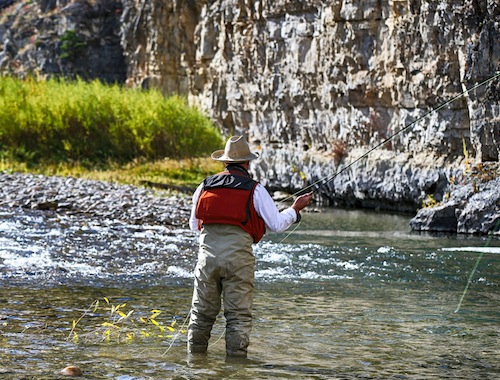
Belt Creek is an 80-mile tributary of the Missouri River flowing through the Little Belt Mountains in central Montana. Often called a miniature version of the famed Smith River, Belt Creek winds through dramatic limestone canyons, past towering cliffs, and through Sluice Boxes State Park—delivering exceptional trout fishing without the crowds found on Montana’s more famous rivers.
Belt Creek Fly Fishing Quick Facts
| Detail | Information |
|---|---|
| Location | Central Montana, 30 miles southeast of Great Falls |
| Length | Approximately 80 miles |
| Primary Access | Sluice Boxes State Park via Riceville Bridge trailhead |
| Trout Species | Rainbow, Brown, Cutthroat, Brook Trout |
| Best Season | May through September |
| Average Trout Size | 12-16 inches, with fish exceeding 20 inches possible |
| Water Type | Freestone creek with limestone geology |
| Permit Required | Yes, for camping; check Montana FWP for current regulations |
What Trout Species Live in Belt Creek?
Belt Creek supports four trout species, making it one of central Montana’s most diverse fisheries:
Rainbow Trout: The most abundant species in Belt Creek. Rainbows actively feed on surface insects during summer hatches and respond well to dry flies. Average size runs 12-14 inches with larger fish available in deeper pools.
Brown Trout: Belt Creek’s brown trout population includes trophy-class fish. Browns exceeding 20 inches are caught each season, with a documented 28-inch brown taken during a two-day expedition. Browns prefer deeper runs and undercut banks.
Cutthroat Trout: Native cutthroat inhabit Belt Creek’s upper reaches near the headwaters in the Lewis and Clark National Forest. These fish average 10-12 inches and readily take dry flies.
Brook Trout: Found primarily in Belt Creek’s smaller tributaries and upper sections. Brook trout average 8-10 inches and provide consistent action on small dry flies and nymphs.
When Is the Best Time to Fly Fish Belt Creek?
Peak Season: June through August
Summer offers the most consistent fishing on Belt Creek. Water temperatures support active insect hatches, trout feed aggressively, and flows stabilize after spring runoff. June typically provides the best combination of hatch activity and comfortable weather.
Shoulder Season: May and September
May fishing depends on snowmelt timing from the Little Belt Mountains. Early May can see high, off-color water, while late May often produces excellent conditions as flows drop. September brings fewer anglers, cooler temperatures, and trout feeding heavily before winter.
Off-Season Considerations: October through April
Belt Creek remains fishable in fall with proper preparation. October offers terrestrial fishing and spawning brown trout activity. Winter fishing requires caution due to cold water temperatures and limited access.
What Flies Work Best on Belt Creek?
Belt Creek’s calcium-rich limestone geology supports prolific insect populations. The creek’s alkaline water chemistry enhances aquatic insect growth, creating excellent match-the-hatch opportunities.
Spring Hatches (March-May)
- Blue Winged Olives (#18-20)
- Midges (#20-22)
- March Browns (#14-16)
- Recommended patterns: Parachute Adams, BWO Comparadun, Zebra Midge
Summer Hatches (June-August)
- Pale Morning Duns (#16-18)
- Caddisflies (#14-16)
- Golden Stoneflies (#8-10)
- Terrestrials: Hoppers, Ants, Beetles (#10-16)
- Recommended patterns: Elk Hair Caddis, PMD Sparkle Dun, Dave’s Hopper, Chernobyl Ant
Fall Hatches (September-October)
- Blue Winged Olives (#18-20)
- October Caddis (#8-10)
- Terrestrials remain effective
- Recommended patterns: Orange Stimulator, BWO Parachute, Beadhead Prince Nymph
Year-Round Nymph Patterns
- Beadhead Hare’s Ear (#14-18)
- Copper John (#14-18)
- Pheasant Tail (#16-20)
- Pat’s Rubber Legs (#6-10)
How Do You Access Belt Creek for Fly Fishing?
Primary Access: Sluice Boxes State Park
The most popular fly fishing access follows Belt Creek through Sluice Boxes State Park, which encompasses approximately 7 miles of the creek’s limestone canyon.
Getting There: From the town of Belt, drive 15 miles south on U.S. Highway 89. Turn west and follow signs to the Riceville Bridge trailhead (approximately 1/2 mile on county road).
Trail Access: A primitive, unmaintained trail follows the creek through the canyon. Expect challenging terrain, steep cliffs, and rugged conditions. Plan for a full day to fish the park’s waters thoroughly.
Upper Belt Creek Access
The creek’s headwaters originate near Big Baldy Mountain in the Lewis and Clark National Forest. Forest roads provide access to smaller tributaries holding cutthroat and brook trout. Contact the Lewis and Clark National Forest office for current road conditions and access points.
Lower Belt Creek
Below Sluice Boxes State Park, Belt Creek flows through the towns of Belt and Armington before joining the Missouri River. Public access points exist but are more limited. Check Montana Fish, Wildlife & Parks fishing access site maps for current public access locations.
What Permits and Regulations Apply to Belt Creek Fishing?
Fishing License Requirements
All anglers must possess a valid Montana fishing license. Non-resident licenses are available as daily, seasonal, or combination packages. Purchase licenses online through Montana Fish, Wildlife & Parks or at local sporting goods stores.
Sluice Boxes State Park Permits
Camping within Sluice Boxes State Park requires a Backcountry Campsite Permit from Montana Fish, Wildlife & Parks. Day-use fishing does not require a separate park permit beyond your fishing license.
Current Regulations
Check Montana Fish, Wildlife & Parks regulations for current catch limits, size restrictions, and any special regulations applying to Belt Creek. Regulations may vary by section of the creek.
What Gear Do You Need for Belt Creek Fly Fishing?
Rod and Reel Setup
A 9-foot, 4-weight or 5-weight fly rod covers most Belt Creek situations. The 5-weight provides versatility for nymphing, dry flies, and handling occasional wind. Bring a 6-weight if targeting larger browns with streamers.
Leaders and Tippet
Standard 9-foot tapered leaders in 4X or 5X work for most dry fly fishing. Carry 5X and 6X tippet for technical situations with smaller flies. For nymphing, use shorter leaders (7.5 feet) with indicator setups.
Essential Gear List
- Wading boots with felt or rubber soles (studded recommended for slick limestone)
- Waders (chest waders recommended for deeper runs)
- Wading staff (essential for navigating canyon terrain)
- Polarized sunglasses
- Rain jacket (mountain weather changes quickly)
- Basic first aid kit
- Plenty of water and snacks (limited services in the canyon)
Is Belt Creek Suitable for Beginner Fly Fishers?
Belt Creek offers excellent opportunities for anglers of all skill levels, though the terrain presents challenges.
Beginner-Friendly Aspects:
- Willing trout that readily take well-presented flies
- Varied water types from riffles to pools
- Less fishing pressure than famous Montana rivers
- Good dry fly fishing during summer hatches
Challenges to Consider:
- Rugged canyon access requires physical fitness
- Limited cell service in Sluice Boxes State Park
- Remote location means self-sufficiency is essential
- Wading can be challenging on slick limestone bottom
Recommendation for Beginners: Consider hiring a local guide for your first Belt Creek trip or fishing the more accessible sections near the town of Belt before venturing into the canyon.
How Does Belt Creek Compare to Other Montana Trout Streams?
Belt Creek occupies a unique position among Montana fisheries:
Compared to the Smith River: Belt Creek offers similar limestone canyon scenery and healthy trout populations without the lottery permit system required for Smith River floats. Belt Creek is wadeable while the Smith requires multi-day float trips.
Compared to the Missouri River: The Missouri near Great Falls offers larger trout and more consistent flows but significantly more fishing pressure. Belt Creek provides a more intimate, uncrowded experience.
Compared to the Blackfoot River: Both streams offer excellent trout fishing in beautiful settings. The Blackfoot provides easier access and more water, while Belt Creek delivers a true backcountry fishing experience.
Frequently Asked Questions About Fly Fishing Belt Creek
What is the best fly for Belt Creek Montana?
During summer months, Elk Hair Caddis (#14-16) and Parachute Adams (#14-18) consistently produce fish. Match the hatch when specific insects are active, and always carry Beadhead Hare’s Ear nymphs as a reliable searching pattern.
Can you float Belt Creek?
Experienced paddlers float Belt Creek through Sluice Boxes State Park, but it requires technical whitewater skills. At flows around 500 cubic feet per second, the float is challenging but fishable. This is not recommended for beginners or inflatable craft.
Are there guides for Belt Creek fly fishing?
Local outfitters in Great Falls offer guided trips to Belt Creek. Guided trips are recommended for first-time visitors unfamiliar with access points and canyon navigation.
What size trout can you catch in Belt Creek?
Average trout run 12-14 inches, with 16-18 inch fish common in quality holding water. Trophy brown trout exceeding 20 inches are caught each season, with fish to 28 inches documented.
Is Belt Creek catch and release only?
Check current Montana Fish, Wildlife & Parks regulations for Belt Creek. Regulations may include catch limits, size restrictions, or special rules for specific sections.
How long does it take to fish Sluice Boxes State Park?
Plan a full day to fish the 7-mile stretch thoroughly. Many anglers camp overnight to maximize fishing time. The primitive trail and canyon terrain slow travel considerably.
Plan Your Belt Creek Fly Fishing Trip
Belt Creek delivers authentic Montana fly fishing in one of the state’s most dramatic settings. The limestone canyon scenery, diverse trout populations, and relative solitude create an experience that rivals Montana’s most famous rivers—without the crowds.
Ranches at Belt Creek offers luxury accommodations with direct access to exceptional fly fishing waters. Our location in the heart of Montana’s Little Belt Mountains puts you within easy reach of Belt Creek, the Smith River, and numerous tributary streams. Contact us to plan your Montana fly fishing adventure.
