

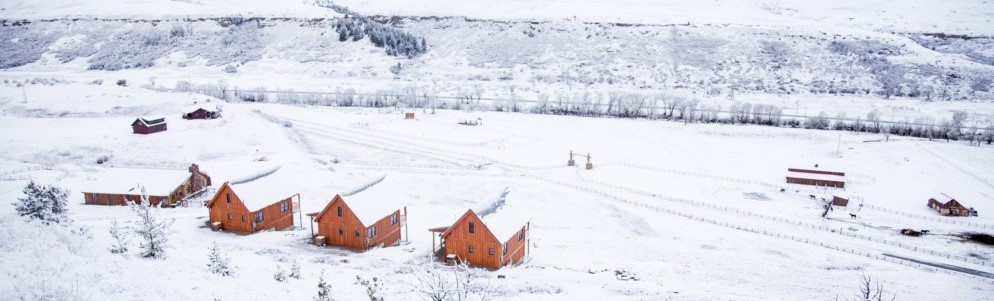
There’s something transformative about gathering your leadership team in Montana when snow blankets the mountains and the world outside slows down. While most companies default to summer retreats, the savviest organizations have discovered what we’ve known for years at The Ranches at Belt Creek: winter retreats deliver deeper connections, sharper focus, and measurable results.
The stark beauty of a Montana winter strips away distractions. There are no phones buzzing with “urgent” emails, no temptation to cut sessions short for golf, and no easy escape routes. Your team arrives, the landscape commands their attention, and something remarkable happens—they actually become present.
The Business Case for Winter Retreats
Before diving into strategies, let’s address the elephant in the room: why would anyone choose a winter corporate retreat over the predictable warmth of a summer getaway?
Research from Harvard Business Review shows that retreats held in “distraction-reduced environments” produce outcomes that last 3-4 times longer than traditional offsite meetings. Winter in Montana delivers exactly that environment. The cozy lodge becomes your team’s sanctuary. Fireside conversations replace surface-level networking. And when you step outside into crisp mountain air for team activities, the shared experience of navigating winter together builds bonds that simply cannot form in a conference room.
10 Strategies to Maximize Your Winter Corporate Retreat
1. Define Your “One Thing” Before You Arrive
The most successful retreats we host share a common trait: leadership arrives with crystal clarity on the single most important outcome they need to achieve. Not three goals. Not a laundry list. One transformative objective.
Whether it’s aligning your executive team on a new strategic direction, breaking down silos between departments, or developing your next generation of leaders—know your “one thing” and build every session around it.
Pro Tip: Send a pre-retreat survey asking each attendee what they believe the most critical challenge facing the organization is. The patterns that emerge will sharpen your focus.
2. Embrace the Montana Rhythm
Forget your city schedule. Winter days in Montana are short and precious—and that’s actually an advantage.
Structure your retreat around the natural light:
- Morning sessions for high-cognitive work (strategy, problem-solving, planning)
- Midday outdoor activities when the winter sun is strongest
- Evening fireside discussions for reflection and relationship-building
This rhythm aligns with your team’s natural energy cycles and creates distinct “chapters” to your retreat that participants remember long after they’ve returned home.

3. Use the Landscape as Your Facilitator
Montana’s winter wilderness is one of the most powerful team-building tools available—and it doesn’t require a keynote speaker fee.
Consider incorporating:
- Guided snowshoe expeditions where teams navigate together toward a common destination
- Cross-country skiing excursions that require rhythm and coordination
- Ice fishing experiences that demand patience and teach the value of slowing down
- Wildlife tracking sessions that develop observation skills and attention to detail
Each activity naturally surfaces team dynamics, communication patterns, and leadership styles in ways that no indoor exercise can replicate.

4. Create Intentional Unplugged Zones
At The Ranches at Belt Creek, we’ve observed a predictable pattern: executives arrive tethered to their devices, anxious about disconnecting. By day two, they’re thanking us for the limited connectivity.
Establish clear expectations:
- Designate specific times for “phone check-ins” rather than all-day access
- Create physical spaces where devices are not permitted
- Model the behavior you want—leadership must unplug first
The conversations that happen when phones are put away are invariably the ones participants reference months later as breakthrough moments.
5. Mix Hierarchy Strategically
Winter retreat activities naturally level the playing field. Your CFO might be a novice skier while your newest sales rep grew up on the slopes. Use this to your advantage.
Design activities that:
- Pair senior and junior team members unexpectedly
- Put people in learning positions regardless of title
- Create shared experiences of novelty and mild discomfort
When everyone is learning together, organizational barriers melt faster than spring snow.

6. Build in Solitude and Reflection
This might be the most counterintuitive strategy—and one of the most powerful.
Schedule blocks of intentional solitude where participants are encouraged to take solo walks, journal, or simply sit with their thoughts. In our hyper-connected world, most executives haven’t experienced true quiet in months or years.
The insights that emerge from these solo hours often become the foundation for the retreat’s most important decisions.
7. Let Montana Feed Your Team—Literally
There’s a reason we source our meals locally and prepare them with intention. Food isn’t a logistics problem to solve; it’s an experience that shapes how your team feels throughout the retreat.

Winter menus featuring:
- Hearty Montana beef and game
- Local farm vegetables preserved at peak season
- Fresh-baked breads and warming soups
- Craft beverages from Montana distillers and brewers
When you share exceptional meals around a common table, barriers dissolve. Some of our most successful retreats have been decided as much by the dinner conversations as by the formal sessions.
8. Capture Commitments in Real-Time
Retreats fail when participants leave with fuzzy intentions instead of clear commitments. Combat this with real-time documentation and accountability structures.
Best practices:
- Assign a dedicated note-taker (not an attendee with divided attention)
- Close each session with specific action items, owners, and deadlines
- Create a “commitment wall” that’s visible throughout the retreat
- Schedule a 30-day follow-up call before anyone leaves
The retreat isn’t over when you leave Montana—it’s just beginning.
9. Design for After-Hours Magic
Some of the most valuable retreat outcomes happen after formal sessions end. Create the conditions for spontaneous connection:

- Communal gathering spaces with comfortable seating and warm fires
- Evening activities that encourage conversation (whiskey tastings, stargazing, storytelling)
- No scheduled dinners at least one night—let groups form organically
- Shared accommodations that put people in proximity without sacrificing privacy
The “official” agenda is only half the retreat. What happens in the margins often matters more.
10. End with a Shared Summit Experience
The most memorable retreats we’ve hosted culminate in a shared accomplishment—something challenging that the team achieves together.
This might be:
- A guided winter summit hike to a breathtaking viewpoint
- A group skiing achievement for teams who’ve learned together
- A community service project that gives back to our Montana neighbors
- A creative challenge that produces something tangible to bring home
When your team returns to the office, you want them to point to a specific moment and say, “We did that together.” That shared peak experience becomes an anchor that reinforces everything learned during the retreat.

Why The Ranches at Belt Creek for Your Winter Retreat
We’ve hosted corporate teams ranging from fast-growth startups to Fortune 500 leadership councils. What they tell us consistently is that our combination of world-class accommodations, authentic Montana experiences, and genuine Western hospitality creates an environment where real work gets done and real relationships form.

Our winter retreat season offers:
- Exclusive use of our lodge and cabins
- Customized activity programming based on your goals
- Farm-to-table dining featuring Montana’s finest
- Dedicated retreat coordination from concept to completion
- Flexible indoor meeting spaces with modern amenities
- Access to thousands of acres of pristine winter wilderness
Ready to Plan Your Winter Retreat?
The companies that invest in bringing their teams to places like The Ranches at Belt Creek understand something fundamental: where you gather shapes what you accomplish.
This winter, instead of another forgettable hotel ballroom, give your team an experience they’ll reference for years to come.
Contact Our Retreat Planning Team Today →
The Ranches at Belt Creek offers corporate retreat packages from November through March.
Limited dates available for the upcoming season—reach out now to secure your preferred timing.

