Understanding Water Rights: A Montana Ranch Buyer’s Essential Checklist
Water transforms Montana rangeland from mere acreage into productive, valuable, and livable ranch property. Yet water rights remain the most misunderstood, overlooked, and potentially costly aspect of ranch purchases. Buyers who fail to properly evaluate water rights risk acquiring beautiful but functionally limited properties, while those who understand water’s complexities unlock tremendous value and opportunity.
This comprehensive checklist guides you through evaluating water rights on any Montana ranch property, helping you avoid expensive mistakes while identifying properties with superior water portfolios.
Why Water Rights Can Make or Break Your Ranch Purchase
In Montana’s semi-arid climate, water rights often prove more valuable than the land itself. Consider these realities:
- Properties with senior water rights command 30-50% premiums over similar “dry” land
- A single spring providing year-round stock water can save $50,000+ in well drilling and pipeline installation
- Blue-ribbon fishing streams can double property values
- Irrigation rights transform marginal rangeland into productive hay meadows
- Water disputes can cost hundreds of thousands in legal fees
Yet most buyers spend more time inspecting buildings than understanding water rights—a potentially catastrophic mistake.
The Prior Appropriation Doctrine: First in Time, First in Right
Montana follows the prior appropriation doctrine, fundamentally different from water law in Eastern states:
Key Principles:
- Water belongs to the state, not landowners
- Rights to use water are granted based on priority date
- “Senior” rights (older dates) get water before “junior” rights
- Water must be used beneficially or rights can be lost
- Rights are specific to amount, timing, location, and purpose
What This Means for Ranch Buyers:
- Owning land along a stream doesn’t guarantee water use rights
- During drought, junior rights may receive no water
- Changing water use (irrigation to domestic) requires state approval
- Unused water rights can be legally abandoned
- Documentation is everything—prove it or lose it
Pre-Purchase Water Rights Checklist
□ 1. Identify All Water Sources
Surface Water:
- Streams and rivers crossing the property
- Springs emerging on the land
- Ponds and reservoirs
- Seasonal drainages
- Irrigation ditches
Groundwater:
- Existing wells
- Potential well sites
- Artesian springs
- Geothermal features
Questions to Answer:
- Are water sources seasonal or year-round?
- What’s the flow rate during dry seasons?
- Are sources legally accessible?
□ 2. Verify Legal Water Rights
DNRC Database Search:
- Visit dnrc.mt.gov water rights query
- Search by property legal description
- Print all water rights records
- Note priority dates for each right
Key Information to Gather:
- Priority date (earlier is better)
- Flow rate (CFS or GPM)
- Volume limits (acre-feet/year)
- Purpose of use restrictions
- Period of use (seasonal limits)
- Point of diversion location
- Place of use boundaries
Red Flags:
- Priority dates after 1973 (less reliable)
- “Claims” vs. “permits” or “certificates”
- Conditional or provisional rights
- Split estates (water severed from land)
□ 3. Examine Water Right Documentation
Historical Use Evidence:
- Aerial photos showing irrigation
- Previous owners’ sworn statements
- Water commissioner reports
- Ditch company records
- Utility bills showing pumping
Legal Documentation:
- Certified water right abstracts
- Court decrees
- Ditch company shares
- Well drilling reports
- Water user agreements
□ 4. Evaluate Water Right Quality
Priority Date Analysis:
| Priority Date | Reliability | Value Impact |
|---|---|---|
| Pre-1865 | Excellent | Premium value |
| 1865-1900 | Very good | Significant premium |
| 1900-1950 | Good | Moderate premium |
| 1950-1973 | Fair | Some value add |
| Post-1973 | Variable | Depends on basin |
Volume Adequacy:
- Domestic use: 1-2 acre-feet/year
- Stock water: 0.03 AF per cow/year
- Irrigation: 2-4 AF per acre (varies by region)
- Fishing ponds: 2-5 AF per surface acre
□ 5. Assess Physical Water Infrastructure
Diversion Structures:
- Headgates and control structures
- Measurement devices (required)
- Diversion dam conditions
- Fish screens (if required)
- Maintenance access
Conveyance Systems:
- Ditch conditions and capacity
- Pipeline integrity
- Easement documentation
- Shared system agreements
- Maintenance obligations
Storage Facilities:
- Reservoir safety permits
- Dam inspection reports
- Storage right documentation
- Outlet works functionality
- Spillway adequacy
□ 6. Investigate Potential Water Issues
Legal Complications:
- Pending water court cases
- Unresolved objections
- Enforcement actions
- Compact negotiations
- Federal reserved rights
Physical Problems:
- Erosion at diversions
- Failing infrastructure
- Access disputes
- Environmental concerns
- Contamination risks
Administrative Issues:
- Change applications needed
- Beneficial use questions
- Measurement compliance
- Reporting deficiencies
- Fee payment status
□ 7. Evaluate Enhancement Opportunities
Development Potential:
- New appropriation possibilities (rare)
- Exempt well opportunities
- Storage right potential
- Efficiency improvements
- Change applications
Value-Add Projects:
- Spring development
- Stock water distribution
- Fishing pond creation
- Wetland enhancement
- Irrigation efficiency
Water Rights Due Diligence Timeline
60 Days Before Offer:
- Initial DNRC database search
- Review basin closure status
- Identify major water features
- Consult water rights attorney
During Due Diligence Period:
- Complete title company water search
- Hire water rights attorney review
- Conduct field verification
- Interview neighbors/ditch companies
- Review historical use
Before Closing:
- Obtain water right assignments
- Verify no new conflicts
- Ensure proper documentation
- Confirm representations
- Plan transition strategy
Red Flag Scenarios Requiring Extra Caution
⚠️ Split Estate Situations
When water rights have been severed from land:
- Verify exact rights remaining
- Understand use limitations
- Check for buy-back options
- Evaluate property without water
⚠️ Shared Water Systems
Multiple users from same source:
- Review all agreements carefully
- Understand maintenance obligations
- Verify your priority position
- Check dispute history
⚠️ Provisional Permits
Rights not yet proven:
- Understand proof requirements
- Calculate costs to perfect
- Assess likelihood of success
- Have contingency plans
⚠️ Bureau of Reclamation Projects
Federal project water:
- Different legal framework
- Repayment obligations
- Use restrictions
- Transfer limitations
Questions to Ask Sellers
- “What’s the driest year you remember, and did you have adequate water?”
- “Have you ever been ‘called out’ by senior users?”
- “What water improvements have you made?”
- “Are you current on all ditch fees and assessments?”
- “Have there been any disputes with neighbors over water?”
- “What maintenance does the water system require annually?”
- “Have you considered any water development projects?”
- “Are there any handshake agreements we should know about?”
Cost Considerations
Budget for Water-Related Expenses:
| Item | Typical Cost Range |
|---|---|
| Water rights attorney review | $3,000 – $10,000 |
| Full water rights title search | $1,500 – $5,000 |
| Engineering evaluation | $2,500 – $7,500 |
| Flow measurements | $1,000 – $3,000 |
| Change applications | $5,000 – $25,000 |
| Dispute resolution | $10,000 – $100,000+ |
| Infrastructure repairs | Highly variable |
Making Water Work at Belt Creek Ranch
At The Ranches at Belt Creek, we’ve eliminated water rights uncertainty:
- Pre-verified Rights: All water rights professionally evaluated
- Senior Priorities: Our rights date to the 1800s
- Infrastructure Maintained: Systems in excellent condition
- No Disputes: Clean title with no conflicts
- Enhancement Completed: Springs developed, distribution installed
- Professional Management: Ongoing compliance handled
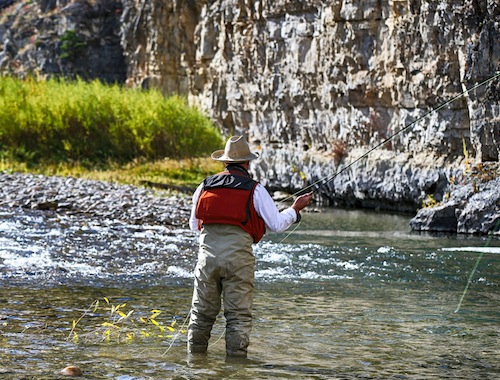
Our buyers avoid the complexities and risks outlined in this guide while enjoying the benefits of excellent water resources, including 8 miles of private Belt Creek access for world-class fly fishing.
Your Water Rights Action Plan
Before Making an Offer:
✓ Complete basic DNRC search
✓ Identify water sources on property maps
✓ Budget for professional evaluation
✓ Include water contingencies in offer
During Due Diligence:
✓ Hire specialized water attorney
✓ Verify all rights and documentation
✓ Inspect physical infrastructure
✓ Interview relevant parties
✓ Negotiate remedies for issues
At Closing:
✓ Ensure proper assignments
✓ Obtain all documentation
✓ Understand ongoing obligations
✓ Plan management strategy
Post-Purchase:
✓ Maintain beneficial use
✓ Keep detailed records
✓ Monitor for encroachments
✓ Participate in water administration
Conclusion
Water rights complexities shouldn’t deter your Montana ranch dreams, but they demand respect and professional attention. Properties with documented, senior water rights and well-maintained infrastructure command premium values for good reason—they provide the foundation for everything that makes ranch life possible.
Use this checklist to evaluate any ranch property’s water portfolio. Better yet, consider properties like those at Belt Creek where water rights have been professionally vetted, eliminating uncertainty while providing the water security essential for successful ranch ownership.
Remember: In Montana, whiskey is for drinking and water is for fighting over. Make sure you’re holding the winning hand before you buy.
Need water rights expertise? Request property information or schedule a Discovery Weekend to see our fully-documented water resources firsthand.
For complete ranch buying guidance, see our Complete Guide to Buying Montana Ranch Land in 2025. Learn about financing options or explore our available properties.
